Trekking in Nepal
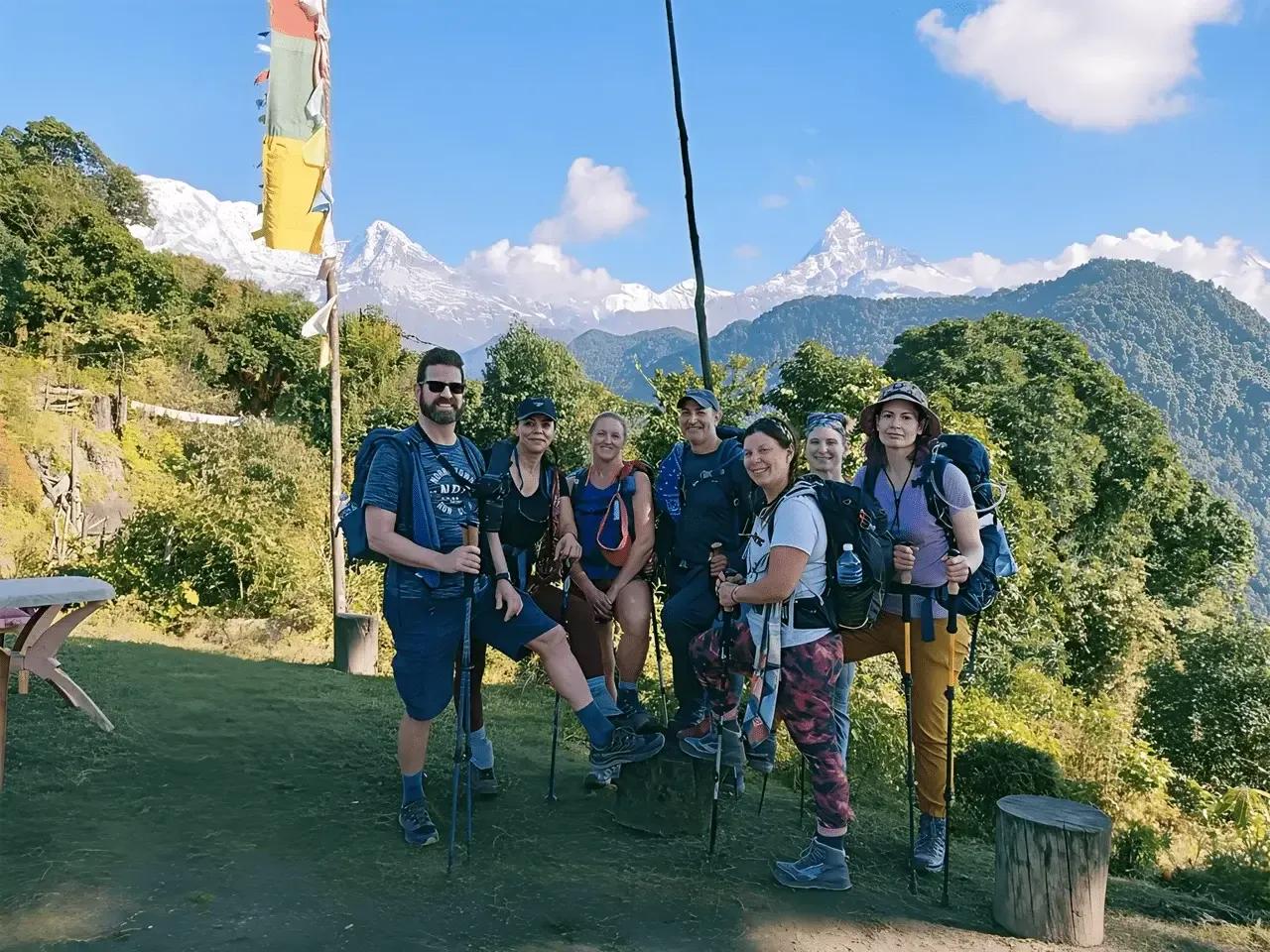
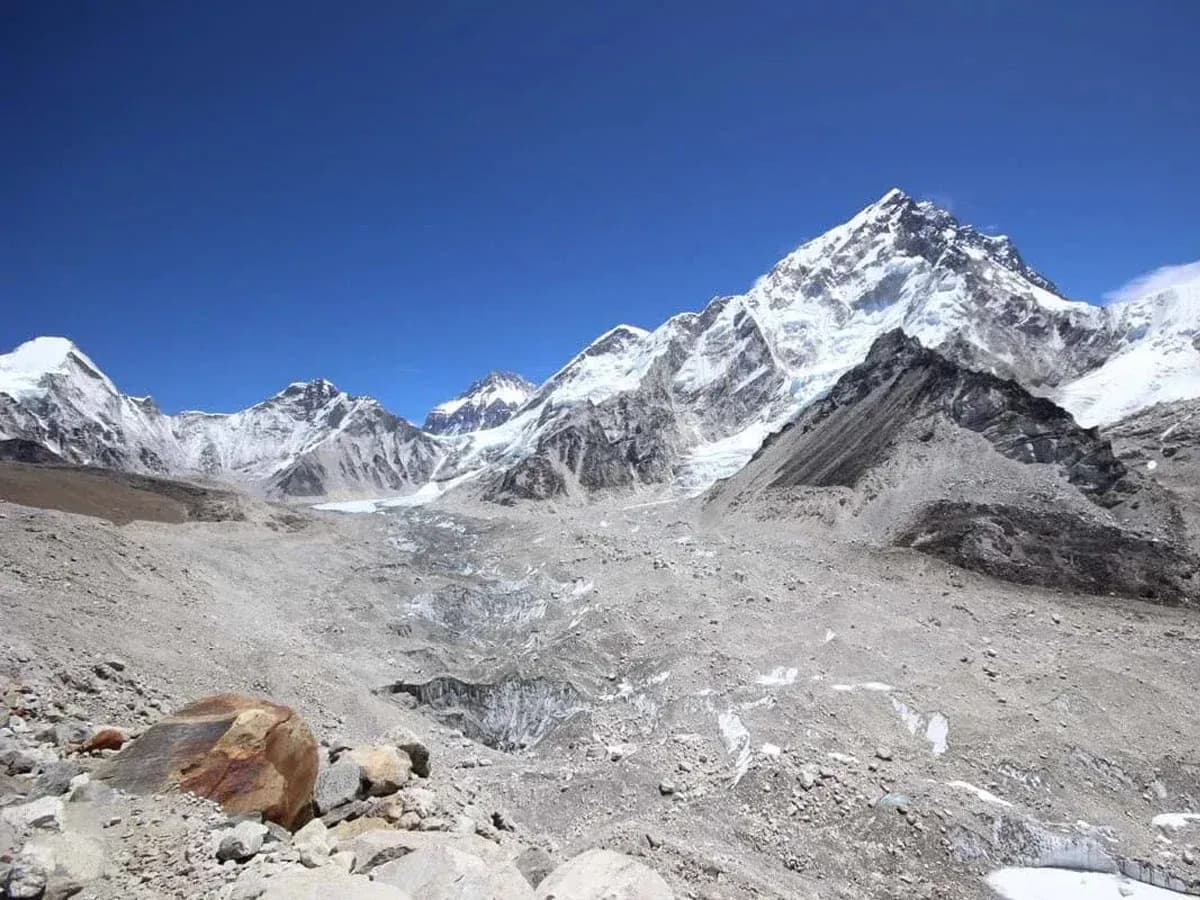
The Everest region stands as one of the world’s most iconic destinations for trekking and hiking, attracting adventurers of all levels. From gentle trails suited to beginners to demanding high-altitude routes for seasoned trekkers, the region offers a diverse range of experiences. Dominated by Mount Everest—the highest peak on Earth at 8,848 meters—the area provides unparalleled opportunities for trekking, particularly on the Nepalese side, which remains the most popular gateway for visitors.
On the Nepal side of Mount Everest, trekkers can explore a variety of routes that combine both accessibility and adventure. These journeys not only bring travelers closer to the world’s highest summit but also fulfill the lifelong aspiration of standing at the base of this majestic mountain. The experience is both physically rewarding and deeply inspiring.
The Everest region lies within Sagarmatha National Park, established in 1976 and designated a UNESCO World Natural Heritage Site in 1979. This protected area preserves the region’s unique ecosystems and cultural heritage. Visitors are required to obtain an entry permit, currently priced at NPR 3,000 per person.
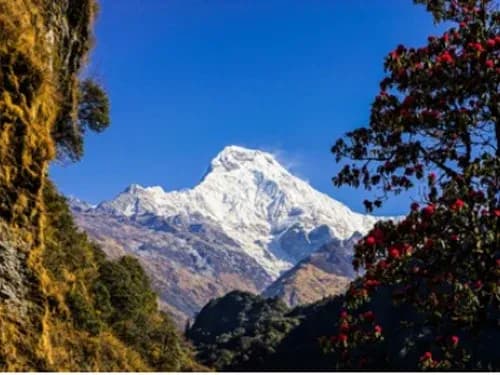
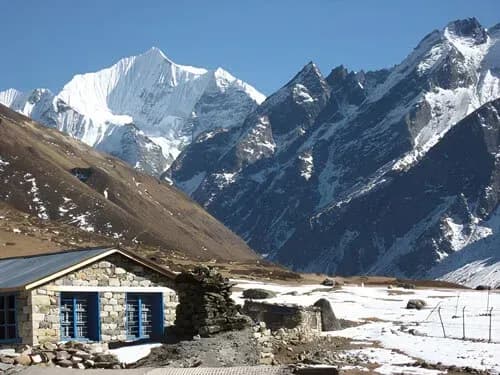
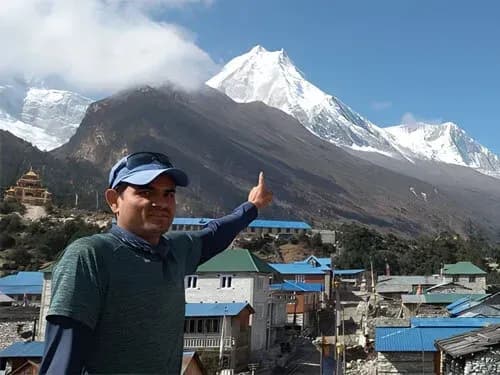
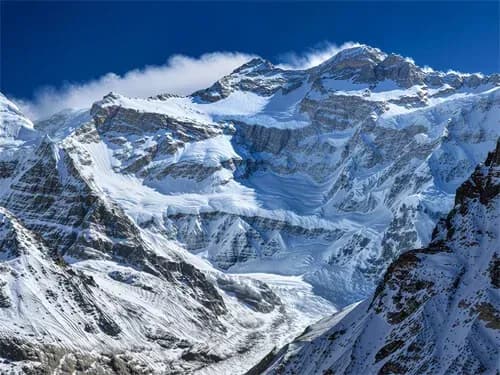
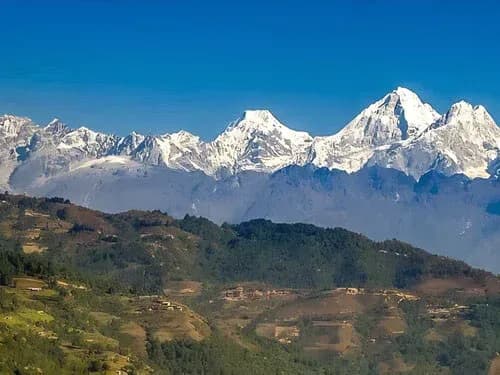
Trekking in this region offers breathtaking views of some of the world’s most renowned peaks, including Everest, Cho Oyu, Ama Dablam, Nuptse, Lhotse, and Thamserku. Beyond the dramatic mountain scenery, trekkers encounter ancient Buddhist monasteries, pristine glacial lakes, expansive glaciers, and the rich traditions of the Sherpa community, whose culture and hospitality add a meaningful dimension to the journey.
Careful planning is essential, particularly with regard to weather conditions. The most favorable trekking seasons are pre-monsoon (February to May) and post-monsoon (September to December), when skies are generally clear and conditions are stable. While trekking is possible year-round, these periods offer the best overall experience.
There are several starting points for treks in the Everest region. Lukla is the most common entry point for shorter itineraries, with regular flights from Kathmandu taking approximately 35 minutes. Due to high demand and weather dependency, advance booking is strongly recommended.
For those seeking a longer and more gradual approach, overland routes from Kathmandu to Jiri Bazaar or Salleri provide alternative starting points, though they involve extended travel by road. Another option is Phaplu, accessible by limited flights from Kathmandu, typically operating twice a week. This route offers a balance between convenience and the experience of beginning the trek from the lower countryside.
Overall, the Everest region offers a remarkable blend of natural beauty, cultural richness, and adventure, making it a premier destination for trekking enthusiasts worldwide.
Discover Nepal
Explore the Magic of Adventure by Region.