Overview of the trek
The Everest Base Camp Trek is one of the most iconic trekking adventures in the world, offering an unforgettable journey to the base of Mount Everest (8,848 meters)—the highest mountain on Earth. Located in Nepal’s renowned Khumbu region, this classic Himalayan trek combines dramatic mountain landscapes, rich Sherpa culture, and a carefully paced high-altitude trekking experience.
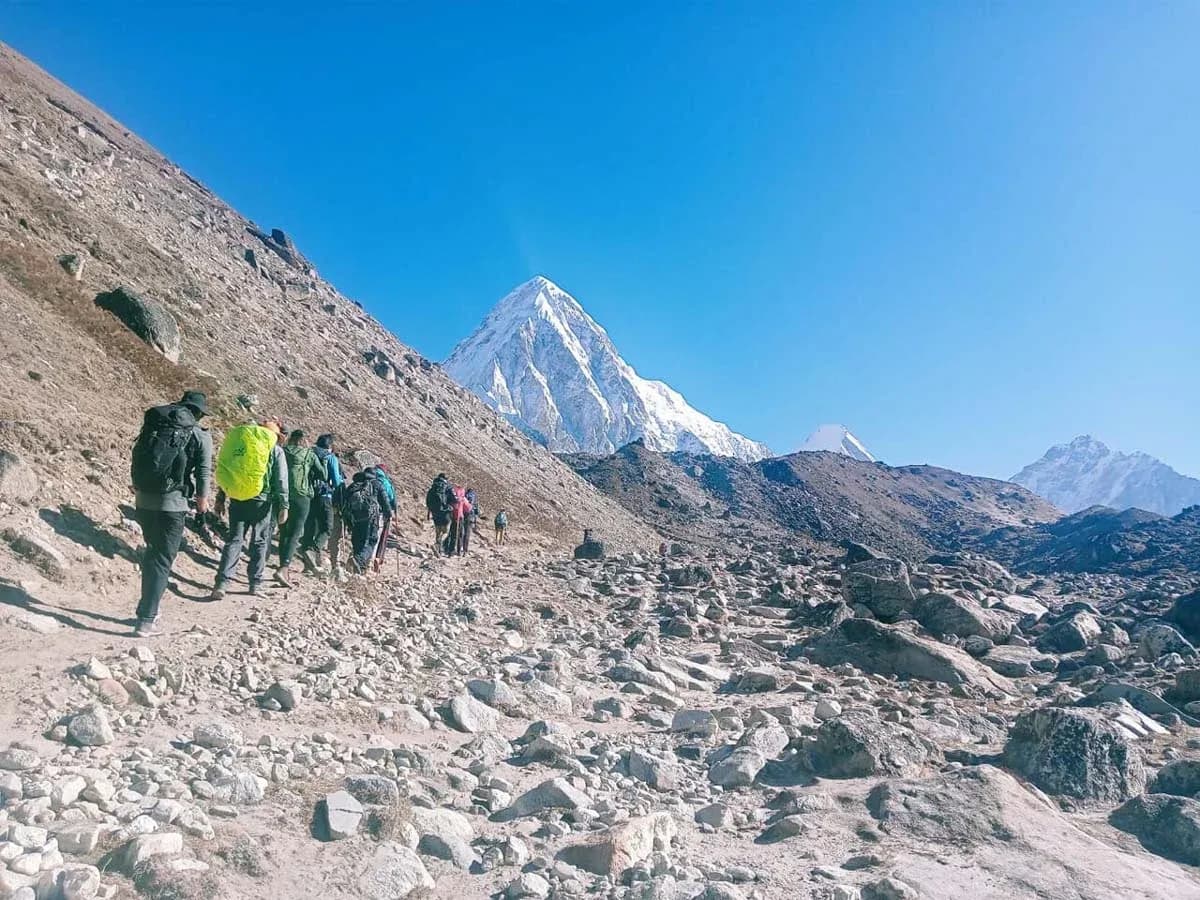
The trek begins with a thrilling flight to Lukla, either from Kathmandu or Ramechhap (Manthali Airport) during peak trekking seasons. From Lukla, the trail follows the historic route taken by Sir Edmund Hillary and Tenzing Norgay Sherpa, passing through traditional Sherpa villages, dense forests, deep river valleys, and across high suspension bridges before entering Sagarmatha National Park, a UNESCO World Heritage Site.
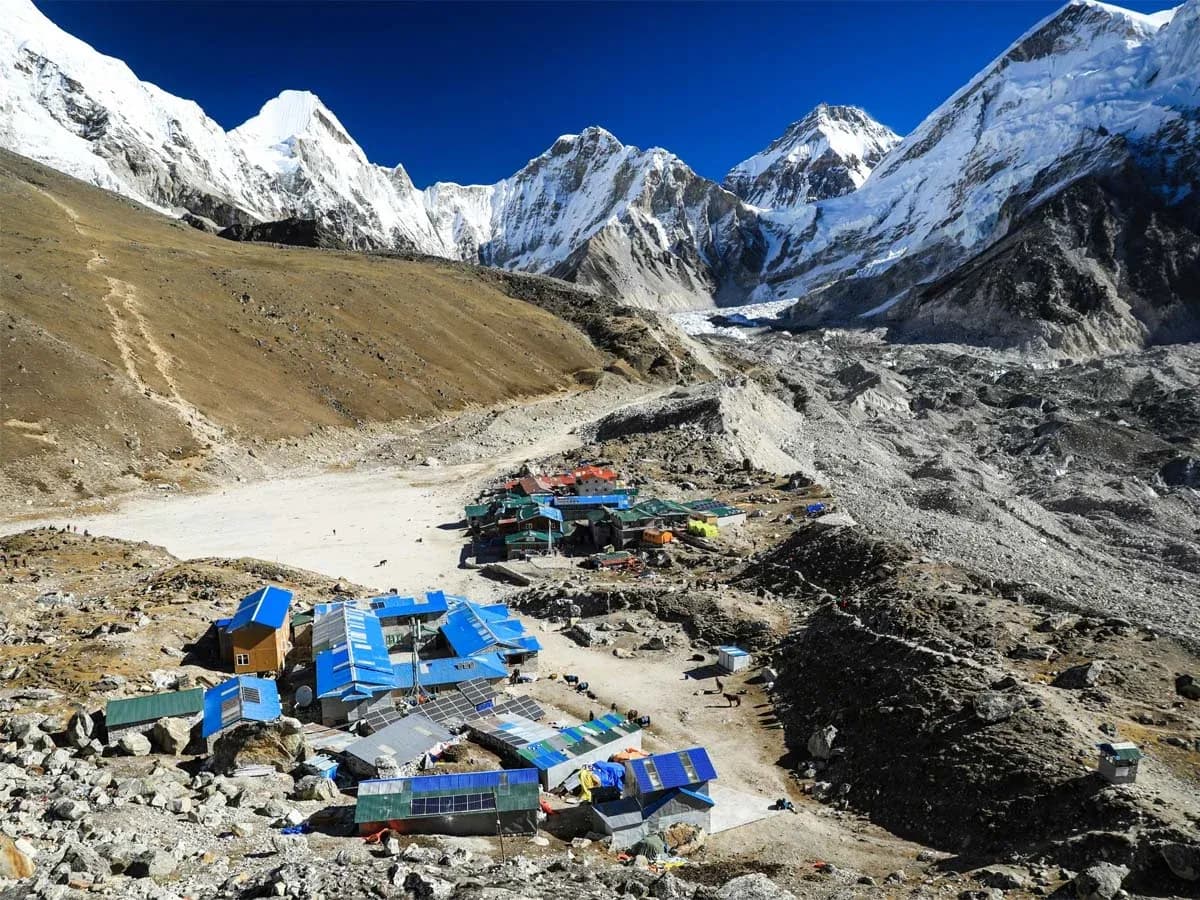
The Everest Base Camp Trek covers approximately 130 km round trip and typically takes 12 to 14 days, including essential acclimatization days at Namche Bazaar and Dingboche. The route passes notable destinations such as Namche Bazaar, the vibrant trading hub of the Khumbu; Tengboche Monastery, the region’s most important Buddhist monastery; and high-altitude settlements like Lobuche and Gorakshep, surrounded by glaciers and towering Himalayan peaks.
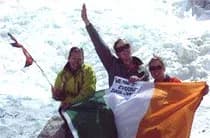
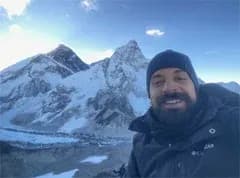
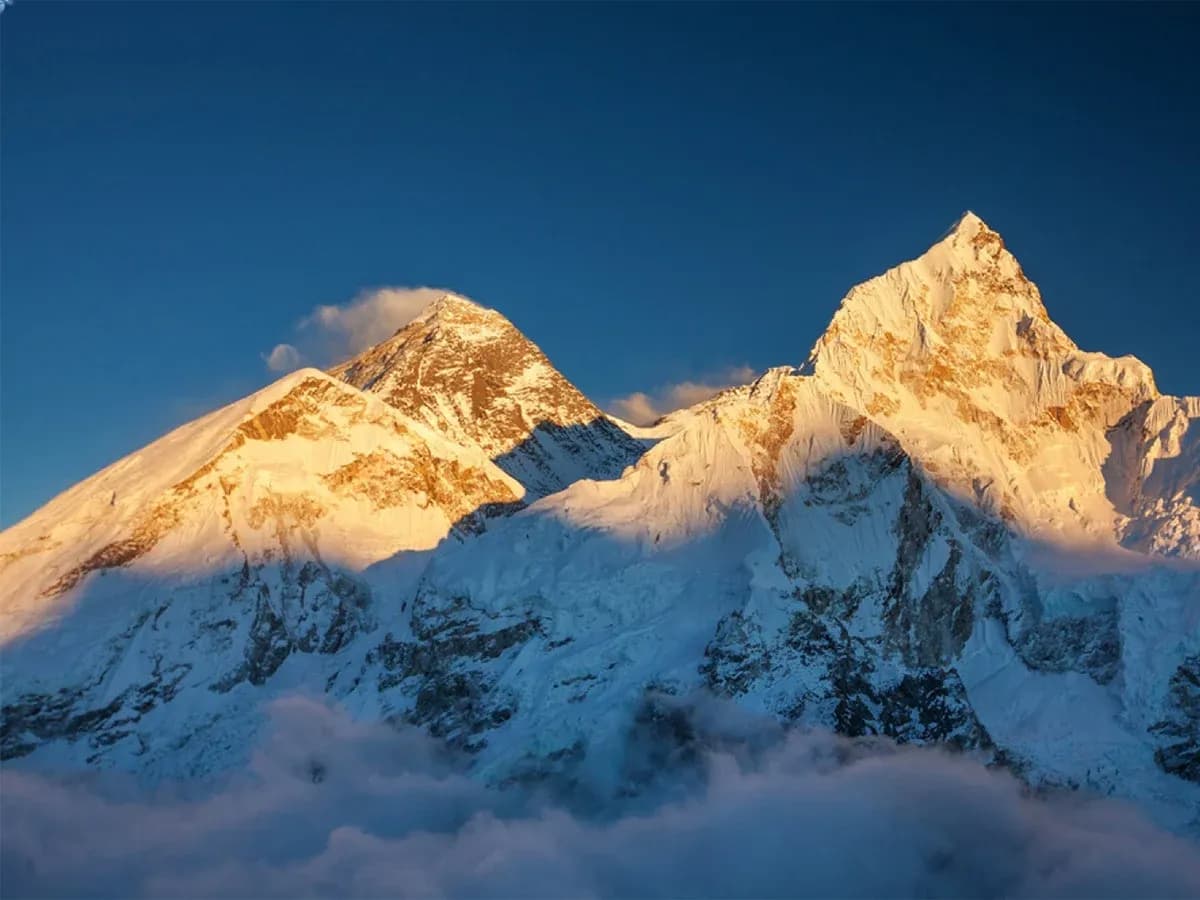
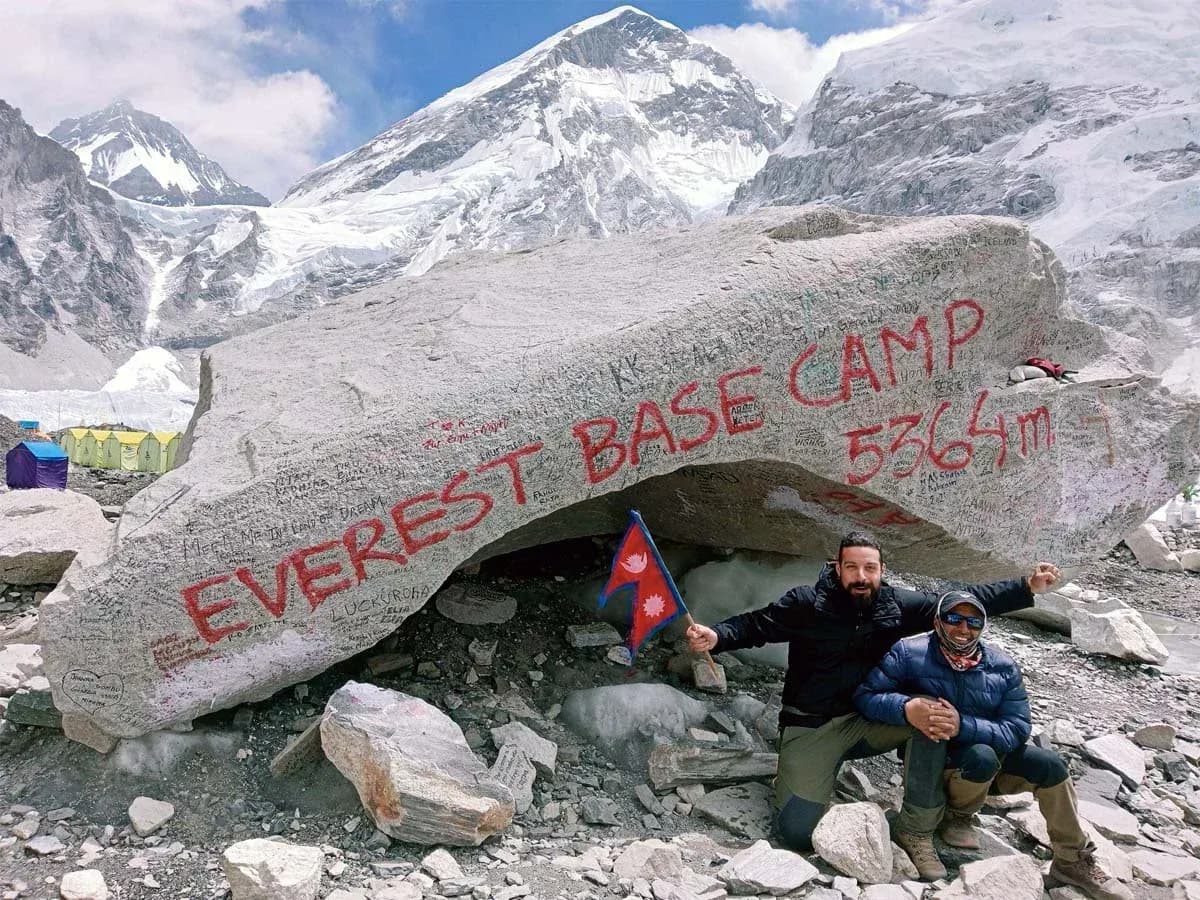
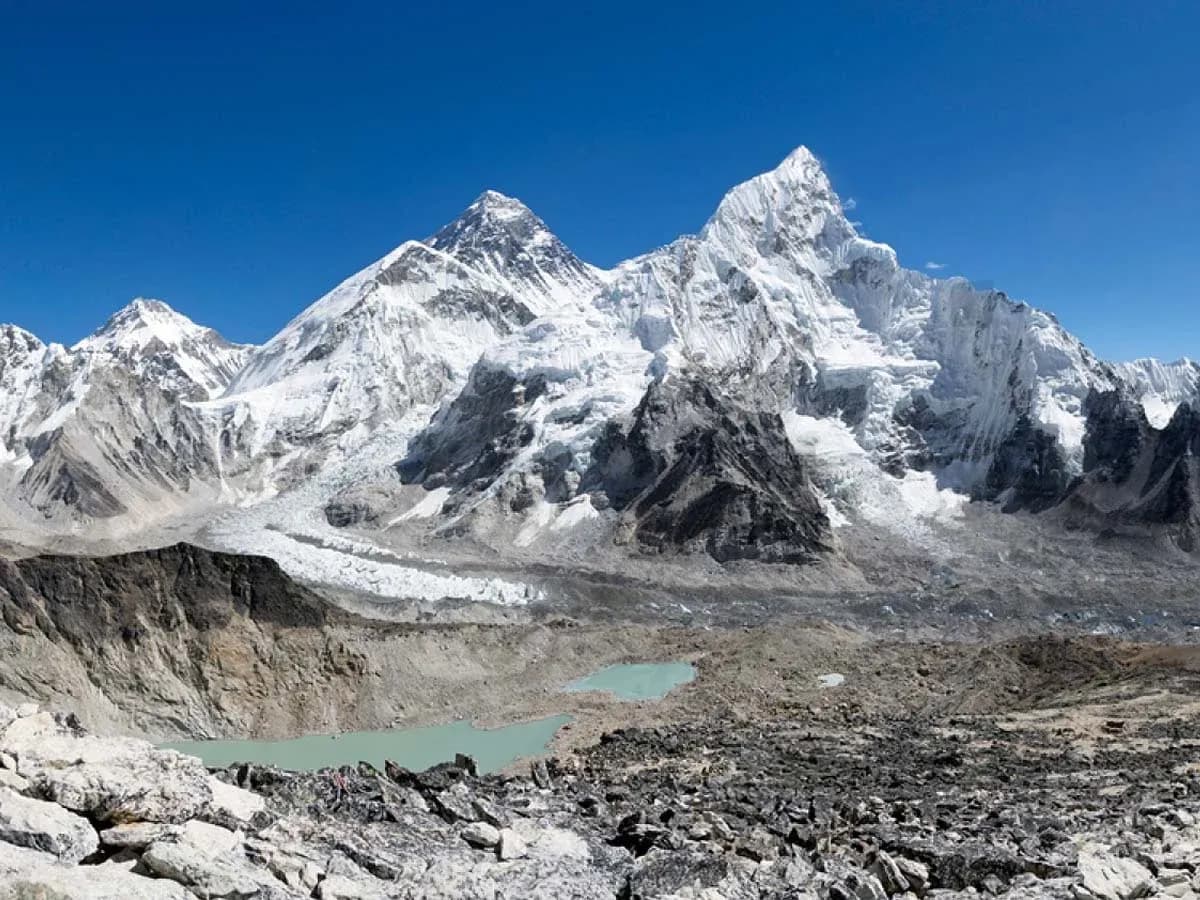
The ultimate goal of the trek is Everest Base Camp (5,364 m), where climbers prepare for their ascent of Mount Everest. A pre-dawn hike to Kala Patthar (5,545 m) provides the best close-up views of Everest, along with panoramic vistas of Lhotse, Nuptse, and other Himalayan giants.
While physically demanding due to altitude and terrain, the Everest Base Camp Trek is non-technical and achievable for trekkers with good fitness and proper preparation. Beyond the physical challenge, the trek offers deep cultural immersion, allowing trekkers to experience Sherpa traditions, Buddhist monasteries, and a mountain lifestyle shaped by faith and resilience.
The Everest Base Camp Trek is more than a trek—it is a life-changing Himalayan journey that blends adventure, culture, and natural beauty into one truly memorable experience.
Highlights of the Everest Base Camp Trek
- Trek to Everest Base Camp (5,364 m)
- Scenic flight to Lukla
- Walk through Sagarmatha National Park
- Explore Namche Bazaar, gateway to Everest
- Visit Tengboche Monastery
- Sunrise hike to Kala Patthar (5,545 m)
- Views of Everest, Lhotse, Nuptse, and Ama Dablam
- Experience authentic Sherpa culture